



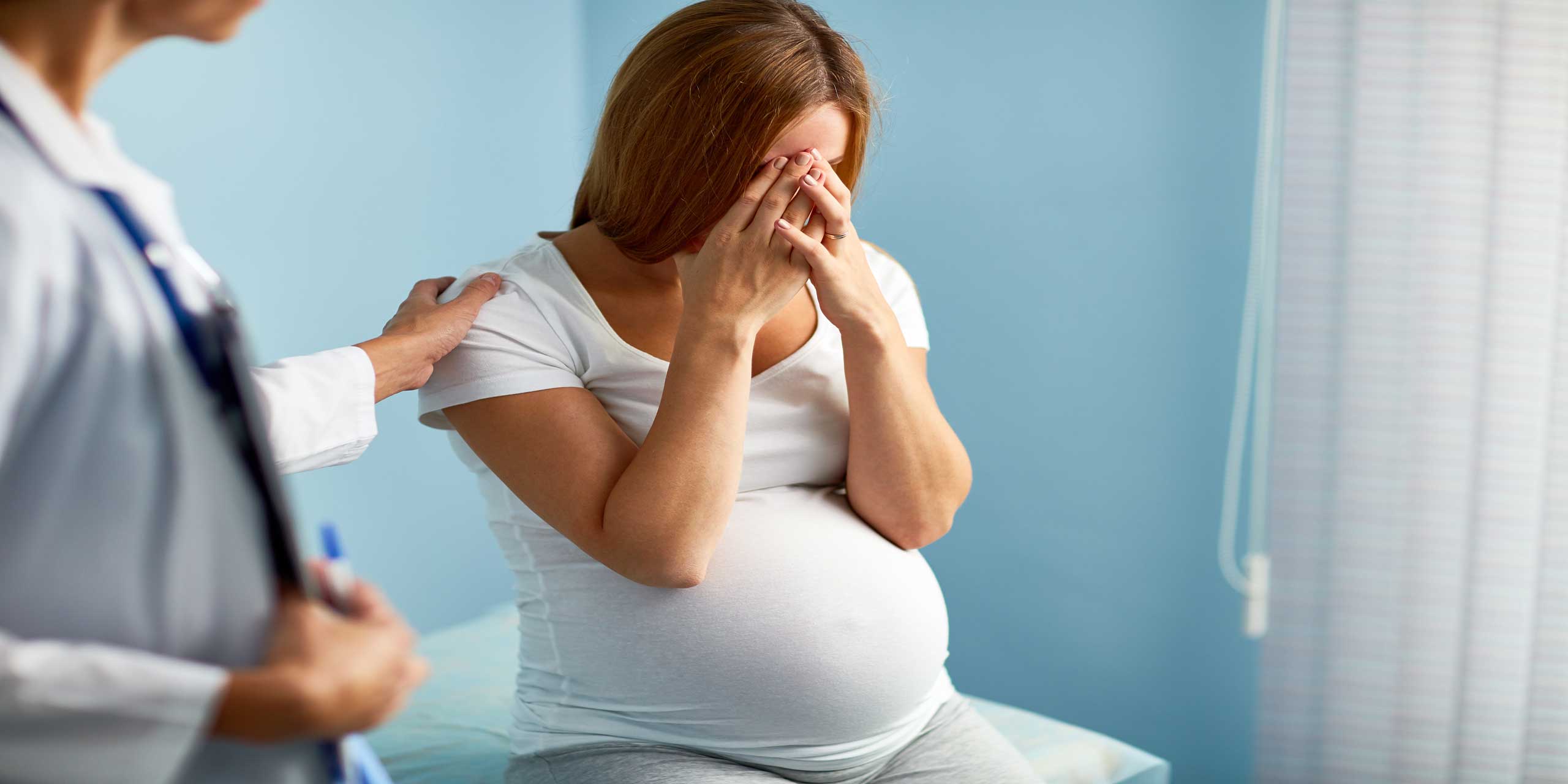
Pregnancy can have a range of effects on women’s physical and emotional health. Depression during pregnancy can arise due to factors such as hormonal changes, physical discomfort, and a lack of social support. Pregnancy depression is a condition that can impact both the mother and the baby’s health.
Symptoms of Depression During Pregnancy: Symptoms of depression during pregnancy may include:
Low energy levels and constant fatigue.
Sleep problems, either excessive sleep or insomnia.
Changes in appetite and weight loss or gain.
Feeling overwhelmed, hopeless, and helpless.
Difficulty concentrating and making decisions.
Lack of interest and inability to experience pleasure.
Feelings of guilt or worthlessness.
Excessive anxiety or fear.
Thoughts or plans of suicide.
Risk Factors for Depression During Pregnancy: Some women may be more prone to depression during pregnancy. Risk factors may include:
Previous history of depression.
Depression or other mental health issues within the family.
Stressful life events or trauma.
Lack of social support.
Financial problems.
Complications during the pregnancy.
First-time pregnancy.
Effects of Depression During Pregnancy: Depression during pregnancy can have various effects on both the mother and the baby:
Developmental Issues for the Baby: Depression during pregnancy can affect the baby’s physical and mental development.
Risk of Preterm Birth: Depression may increase the risk of preterm birth.
Low Birth Weight: Depression can lead to low birth weight.
Attachment Issues: Mothers experiencing depression may have difficulty forming emotional bonds with the baby.
Effects on Maternal Health: Depression during pregnancy can negatively impact maternal health and increase the risk of more severe depression postpartum.
Management and Treatment of Depression During Pregnancy:
Professional Help: Seeking support from a healthcare professional or mental health expert is important.
Communication with the Doctor: Women experiencing symptoms of depression during pregnancy should share their situation with their doctors.
Support Groups: Pregnancy-related support groups can provide support and understanding among women experiencing similar situations.
Exercise: Regular exercise can help alleviate symptoms of depression.
Proper Nutrition: A healthy diet can support both physical and mental health.
Medication: In some cases, doctors may recommend safe medication treatments during pregnancy. However, medication use should always be under the supervision of a doctor.
Depression during pregnancy is a serious condition, and seeking professional help is crucial. Every situation is unique, so working with a healthcare professional to create an individualized treatment plan is important.


