



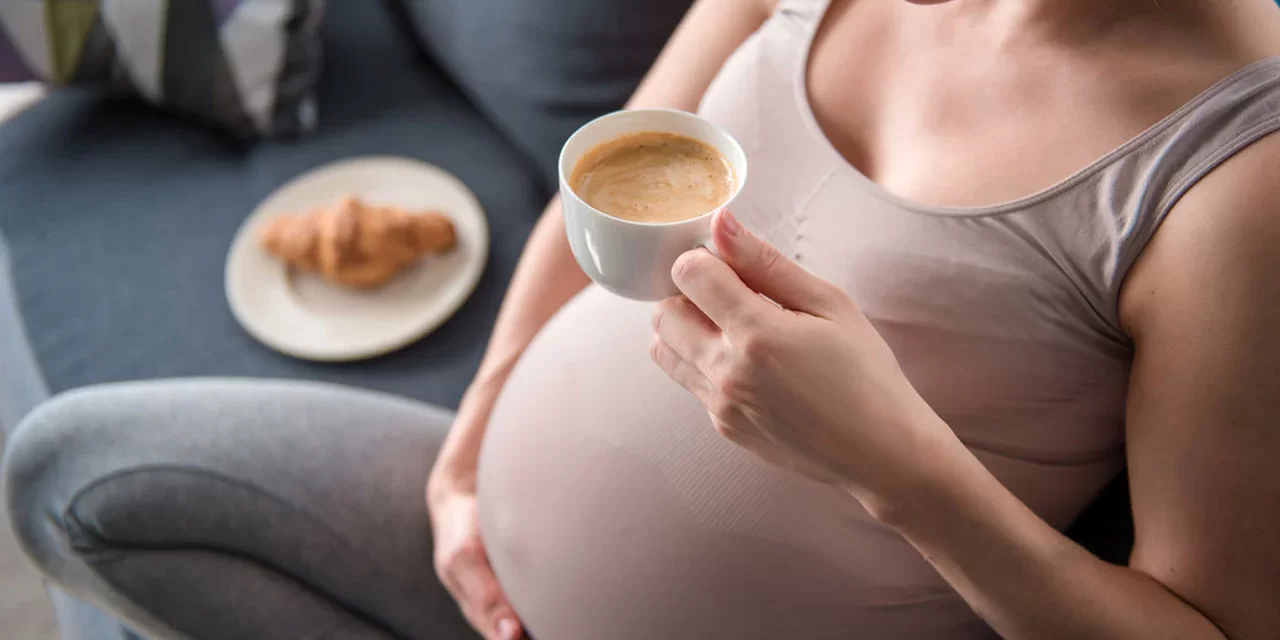
Pregnancy is a critical period where the consumption of caffeine can impact both maternal and fetal health. Caffeine is a stimulant found in various products such as coffee, tea, energy drinks, chocolate, and some medications. Determining appropriate caffeine intake during pregnancy is essential for managing the pregnancy process in a healthy manner.
Caffeine in Pregnancy and Risks:
Low Birth Weight: High caffeine intake is believed to be associated with low birth weight.
Preterm Birth Risk: High caffeine consumption has been observed to increase the risk of preterm birth.
Low Blood Sugar Levels: High caffeine intake may be linked to low birth weight and low blood sugar levels.
High Blood Pressure: Caffeine can elevate blood pressure and increase the risk of hypertension.
Baby’s Neurological Development: High caffeine intake is thought to affect the neurological development of babies.
Recommendations for Caffeine Consumption During Pregnancy:
Limited Consumption: The American Pregnancy Association and other health organizations recommend limiting daily caffeine intake to between 200-300 mg.
Monitor Caffeine-Containing Products: Read labels of caffeine-containing beverages and foods. Many products such as coffee, tea, cola, energy drinks, chocolate, and some pain relievers may contain caffeine.
Be Cautious of Tea and Cola Consumption: Besides coffee, beverages like tea and cola also contain caffeine, so be cautious of their consumption.
Consider Other Sources: Caffeine can be found in certain medications like cold remedies, flu medications, and weight loss supplements. Consult your doctor before taking such medications.
Choose Low-Caffeine Alternatives: Opt for caffeine-free beverages and foods, especially in the mornings, to reduce caffeine intake.
Consult Your Doctor: If you have concerns about caffeine consumption during pregnancy or if your health condition requires special attention, discuss it with your doctor.
Every pregnant woman’s body is unique, and caffeine tolerance may vary. Decisions regarding caffeine consumption during pregnancy are individual, so relying on your doctor’s recommendations and personalized assessments of your health is crucial.


