



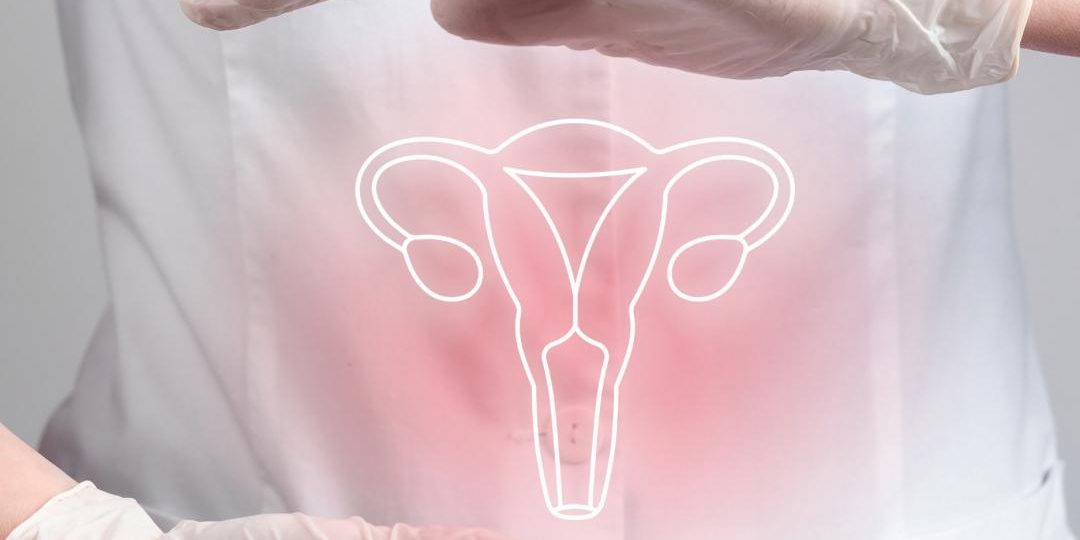
Polycystic Ovary Syndrome (PCOS) is one of the most common endocrine (hormonal) disorders encountered by women of reproductive age. This syndrome is characterized by hormonal imbalances, the formation of cysts in the ovaries, menstrual irregularities, and a range of symptoms. Here are some key pieces of information you should know about PCOS:
Symptoms:
Menstrual Irregularities: PCOS may manifest as irregular periods, extended menstrual cycles, or absence of menstruation.
High Androgen Levels: Symptoms associated with elevated androgen levels include excessive hair growth (hirsutism), acne, and hair loss.
Polycystic Ovaries: The formation of small cysts in the ovaries can be observed during an ultrasound examination.
Diagnosis: The diagnosis of PCOS is based on a combination of symptoms, ultrasound results, and hormonal tests. Diagnosis relies on ruling out other potential causes and confirming the presence of symptoms according to specific criteria.
Causes: While the exact cause of PCOS is not fully understood, it is believed to involve the interaction of genetic and environmental factors, insulin resistance, and hormonal imbalances.
Treatment and Management: The treatment of PCOS typically focuses on symptoms and individual needs. Treatment options may include:
Hormonal Therapy: Birth control pills can be used to regulate menstrual cycles and balance hormones.
Improving Insulin Sensitivity: Medications that enhance insulin sensitivity, used in conjunction with diet and exercise, can help reduce insulin resistance.
Fertility Treatment: In women desiring pregnancy, medications may be used to stimulate ovulation.
Lifestyle Changes: Healthy eating, regular exercise, and weight management can improve PCOS symptoms.
PCOS is a condition that varies from individual to individual, and the treatment plan is usually tailored to individual needs. Therefore, individuals with suspected PCOS should consult with a healthcare professional to determine an appropriate treatment plan.


