



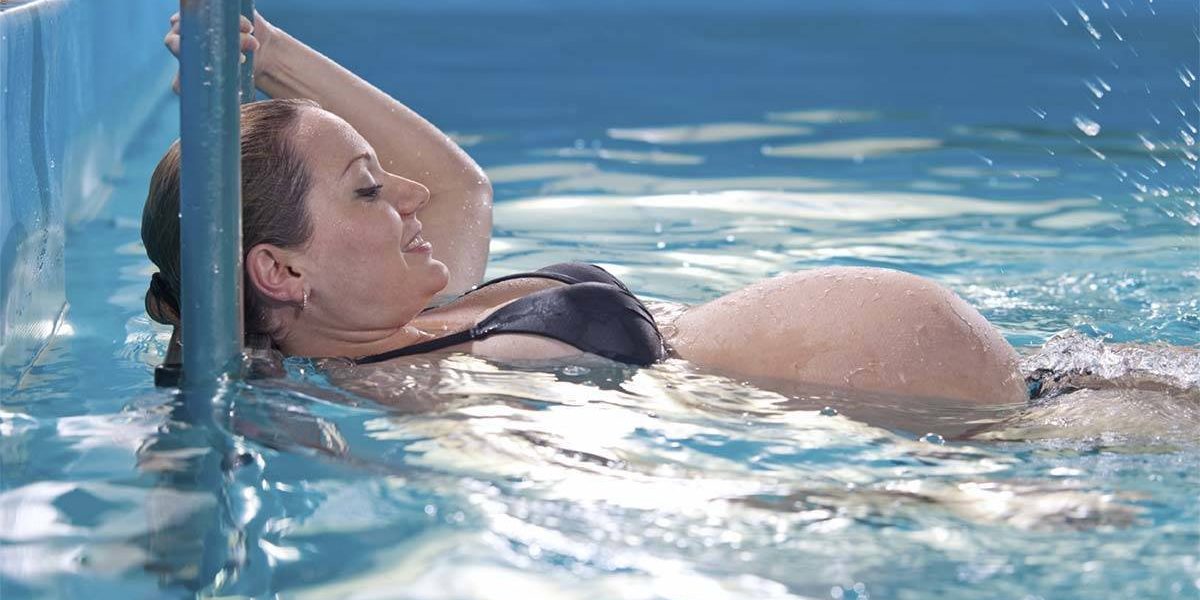
Since ancient times, the reality of water birth has existed. Numerous documents related to water birth have been found in cultures from the South Pacific islands, particularly those near the equator, as well as among Native Americans in Central America, and in the ancient civilizations of Egypt and Greece. Mentions of water birth date back to 1805 in France, and it was documented in the United States in 1980. With increasing demand, the frequency of water births has been on the rise. Today, water birth refers to the use of a pool from the onset of labor until the birth occurs. The rate of water births is much lower than the rate of births in water. In fact, water birth involves the mother entering the pool at any stage of labor to benefit from the soothing and pain-reducing effects of water. She may exit the pool at any desired stage, and the birth itself takes place outside the water. Water birth, on the other hand, involves the birth occurring within the water whenever the mother enters the pool; the baby is born into the water. Whether the placenta, or the baby’s cord, is delivered inside or outside the water does not alter the diagnosis.
The advantages of water birth include reduced pain for the mother, less use of pain medication, shorter duration of labor, higher rates of normal birth, fewer episiotomies (perineal incisions), and most importantly, greater satisfaction with the birth experience. One advantage of entering the water is the relaxing and loosening effect of warm water, which induces relaxation in all tendons and muscles. This relaxation increases pelvic mobility, ensures symmetry, and prevents complications associated with muscle tension. Additionally, the buoyancy of water reduces the sensation of weight in the mother, leading to relaxation, tranquility, and a sense of control. A mother’s education about childbirth, her support system, and the presence of trusted individuals further enhance the success of water birth.
The goal of water birth is not the baby being born into the water; rather, it aims to minimize medication use, interventions, and maximize maternal satisfaction. If there’s a decrease in the baby’s heart rate, a need for pain relief, or prolonged labor, leaving the water becomes necessary. Water birth is one of the options for childbirth, with the health and safety of both mother and baby being paramount.
Ideal candidates for water birth are those with low risk, single pregnancies, cephalic presentation (head down), and gestational ages between 37 and 42 weeks. Limited evidence exists for high-risk pregnancies. In appropriately supported water births, there is no evidence to suggest an increase in risks for either the mother or the baby. Although infections have been reported, they are mostly attributed to inadequate monitoring of water sources. Standardizing pool usage can prevent many infection incidents. Situations unsuitable for water birth include thick meconium (baby passing stool in the womb), abnormal vaginal bleeding, maternal fever above 38°C, abnormal fetal heart rates, active herpes, hepatitis B and C, HIV infection, restrictions on maternal movement, lack of experience of the midwife or doctor in managing water births and complications, use of sedating medications, use of epidural analgesia, absence of necessary conditions for intervention in emergencies, and the mother’s lack of feeling safe.
It is recommended to use approved inflatable pools designed for water birth. Large pools are unsuitable due to difficulties in filling and maintaining temperature. In Turkey, the frequency of water births is increasing due to rising demand, with applications continuing to increase in both government and private hospitals.